Choosing a roofing material in this climate is different from choosing one in Colorado or the Pacific Northwest. Some materials that hold up fine in drier or cooler climates fail prematurely in Alabama’s combination of heat, moisture, and storm activity. Getting it right matters, because the wrong roofing material doesn’t just underperform, you’ll need a replacement sooner, costs more to maintain, and creates problems you won’t see coming until water shows up inside. What are the best roofing materials Alabama has to offer?
We compiled a list of the best roofing materials you should consider when you get your next roof replacement. Here’s how the main options stack up for North Alabama homeowners.
Table of Contents:
- What Alabama’s Climate Actually Does to Roofs
- Architectural Asphalt Shingles
- Metal Roofing
- Tile Roofing
- Roofing Materials That Don’t Hold Up in Alabama
- The Factor That Affects Every Material on This List
- This Matters As Much As the Material
What Alabama’s Climate Actually Does to Roofs
Before comparing materials, it helps to understand what you’re up against.
Heat and UV exposure. Alabama averages 90°F+ for extended stretches every summer. Dark roofing materials absorb solar radiation that drives attic temperatures to 150°F or higher — accelerating the breakdown of organic roofing materials and driving up cooling costs month after month.
Humidity. Alabama’s average relative humidity exceeds 70% year-round — one of the highest in the continental U.S. That sustained moisture breeds algae and mold on roofing surfaces, accelerates the breakdown of organic materials, and creates conditions for rot in poorly ventilated attics. It’s why algae staining on roofs is so common across North Alabama neighborhoods.
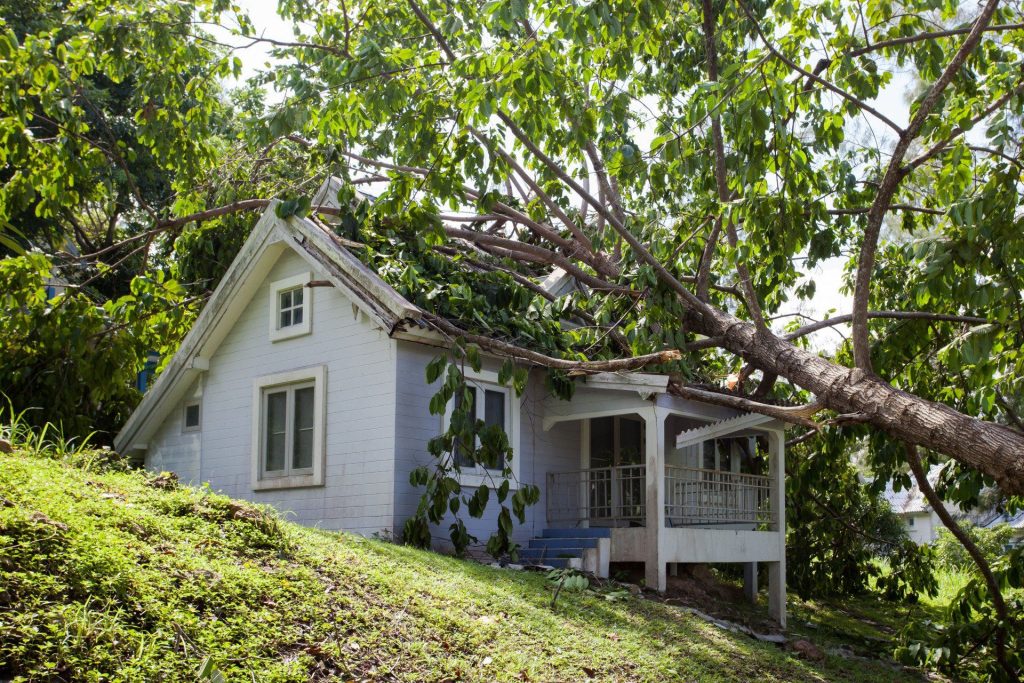
Severe storms. The Huntsville and Madison area sits in a zone with Class 3 hail potential during spring and fall storm seasons. Wind gusts during severe thunderstorms regularly exceed 60–70 mph. Your roof’s wind resistance rating and impact rating aren’t just numbers on a spec sheet — they’re the difference between a roof that survives the storm season and one that needs to be replaced after it.
Hurricane remnants. North Alabama isn’t coastal, but it’s not immune. Gulf systems weaken as they move inland but still deliver significant wind and rain to the Tennessee Valley. A roof that wasn’t specified for wind exposure is one that storm season keeps testing.
Architectural Asphalt Shingles
The Best Value for Most Huntsville Homeowners
Lifespan in Alabama: 18–25 years
Wind resistance: Up to 130 mph (quality products)
Best for: Most residential replacements
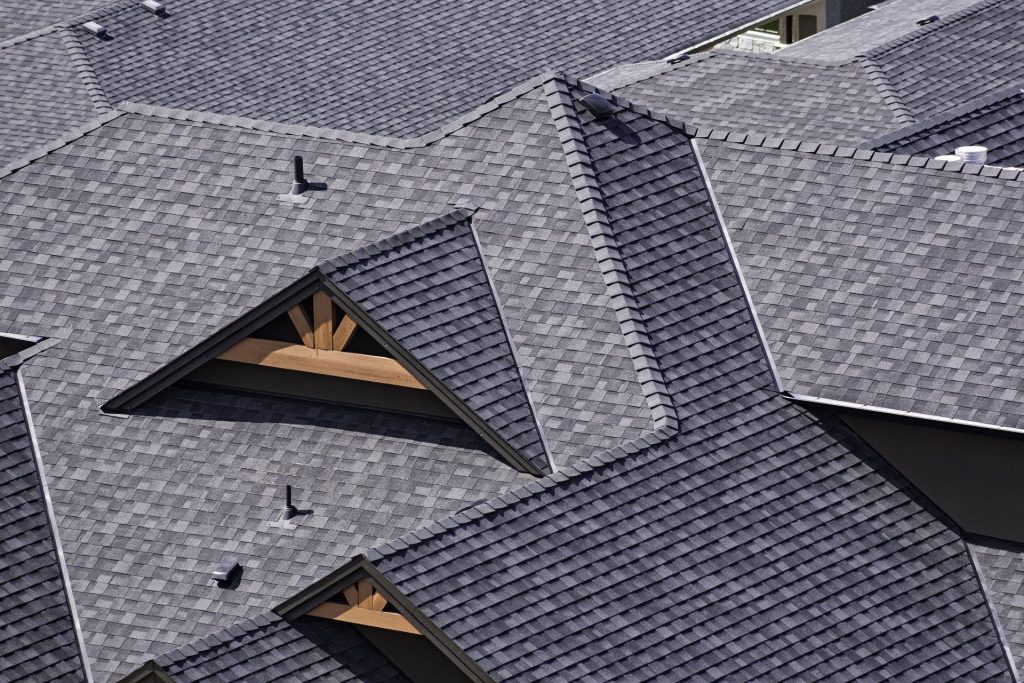
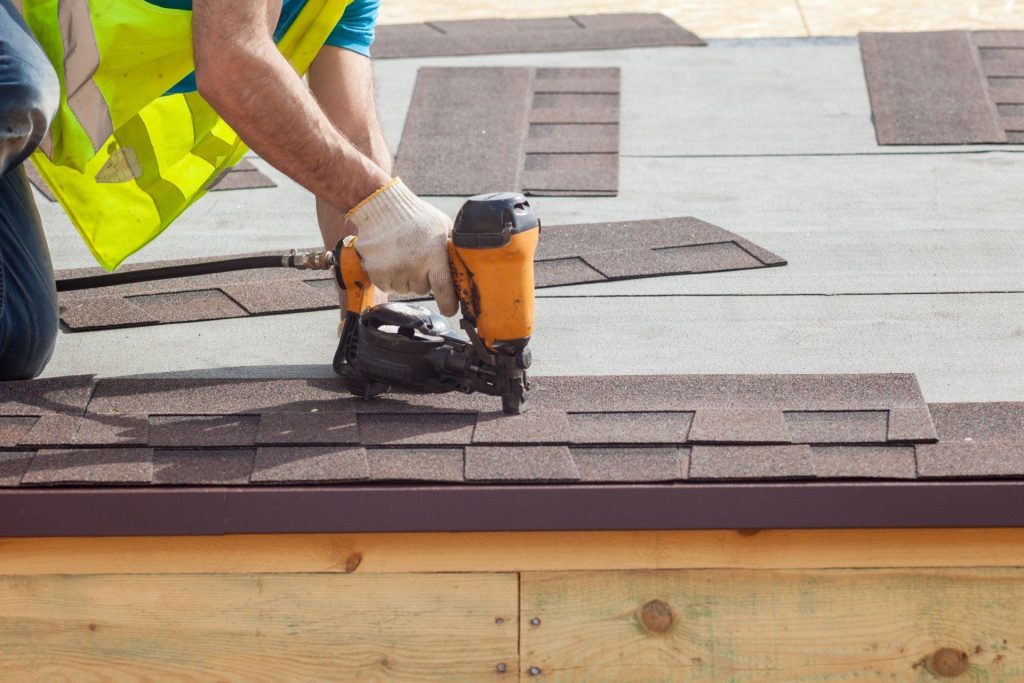
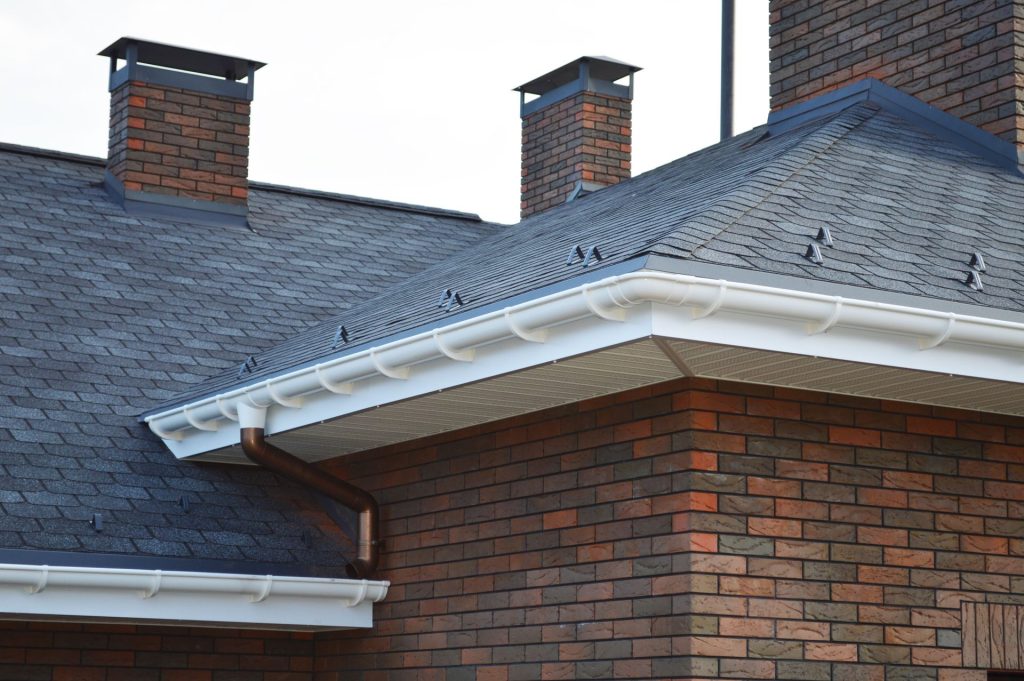
Architectural shingles are the most common roofing material across Alabama, and they’re a legitimate choice when specified correctly for the climate.
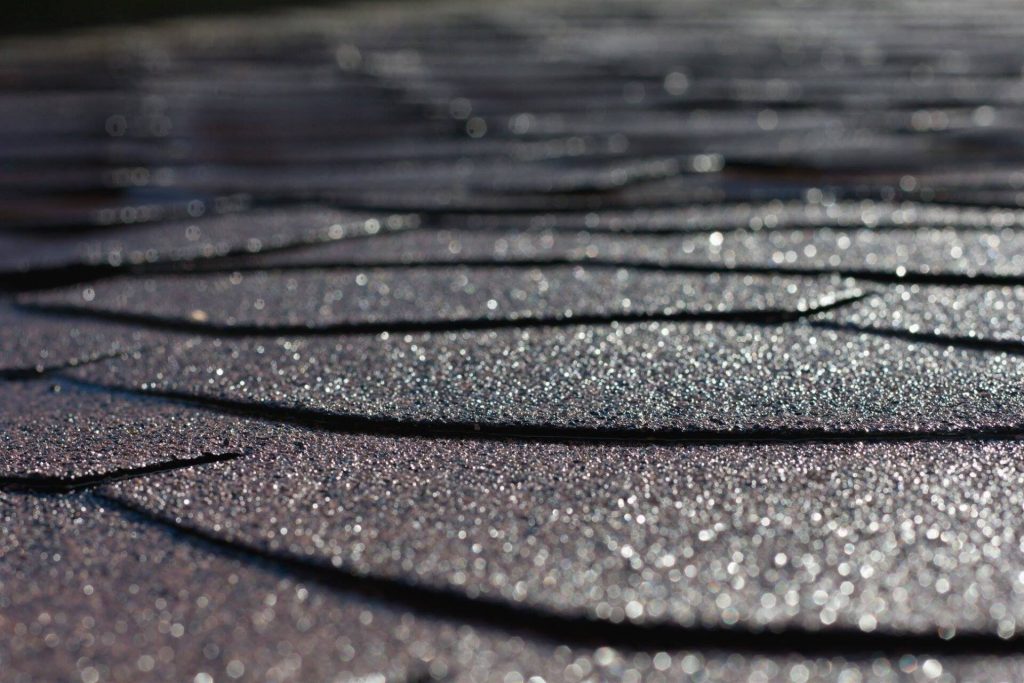
The critical distinction in Alabama is algae resistance. Standard architectural shingles in this humidity level develop algae staining within a few years — the black streaking you see on roofs throughout the Huntsville area. Architectural shingles with algae-resistant granule coatings last 5–8 years longer than standard versions in humid climates. That’s not a minor upgrade — it’s a meaningful difference in lifespan in Alabama’s conditions.
The other specification that matters here: Class 4 impact resistance. The UL 2218 Class 4 rating is the highest hail resistance available for asphalt shingles — and in a state that sees consistent hail activity, it’s worth prioritizing. Many Alabama insurers recognize Class 4 shingles with premium discounts that partially offset the modest cost premium over standard architectural shingles.
The Owens Corning background our owner brings from his time training contractors nationally means we know exactly which shingle specifications hold up in Alabama’s specific conditions — not just which ones look good on paper.
Bottom line: The right call for most Huntsville homeowners doing a standard replacement. Specify algae-resistant granules and Class 4 impact rating — these details matter more in Alabama than anywhere else.
Metal Roofing
The Long-Term Investment for Alabama Weather
Lifespan in Alabama: 40–70 years
Wind resistance: 140+ mph (standing seam)
Best for: Homeowners planning long-term, high storm exposure areas
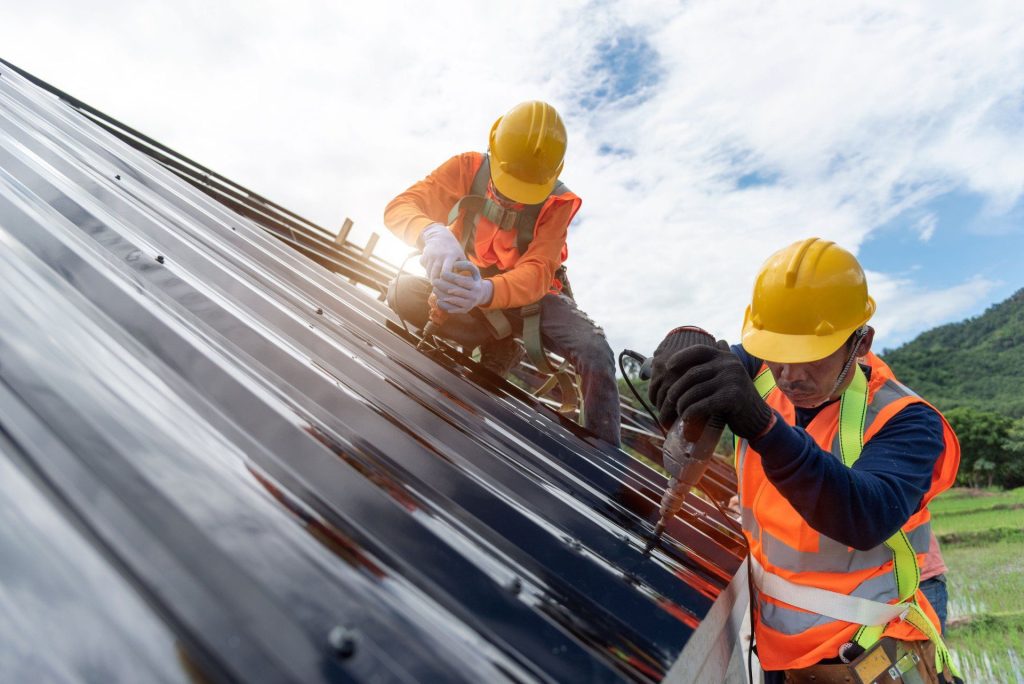
Metal roofing handles Alabama’s full climate profile better than asphalt across almost every measure.
There are no granules to wash away — so the algae staining that shortens asphalt shingle life in Alabama’s humidity simply doesn’t apply. Metal reflects 70–80% of solar radiation rather than absorbing it, which can reduce cooling costs by 15–25% during Alabama’s hottest months. And standing seam systems — with interlocking panels and concealed fasteners — handle wind events that would lift or crack shingles.
One Alabama-specific consideration on metal: thermal expansion matters more here than in cooler climates. Alabama’s temperature swings — from summer highs to winter cold fronts — mean metal panels need to be installed by someone who understands how to account for movement. Panels that aren’t properly allowed to expand and contract will eventually buckle or loosen their fasteners. An experienced installer who understands Southern climate conditions is what makes a metal roof perform the way it’s supposed to.
Bottom line: The strongest long-term performer in Alabama’s climate. Worth the investment for homeowners staying long-term or who want to eliminate the replacement cycles asphalt requires.
Tile Roofing
Excellent Performance, Structural Considerations
Lifespan in Alabama: 40–50 years (concrete), 50–100 years (clay)
Wind resistance: High when properly installed
Best for: Premium homes, Mediterranean and Spanish-style architecture
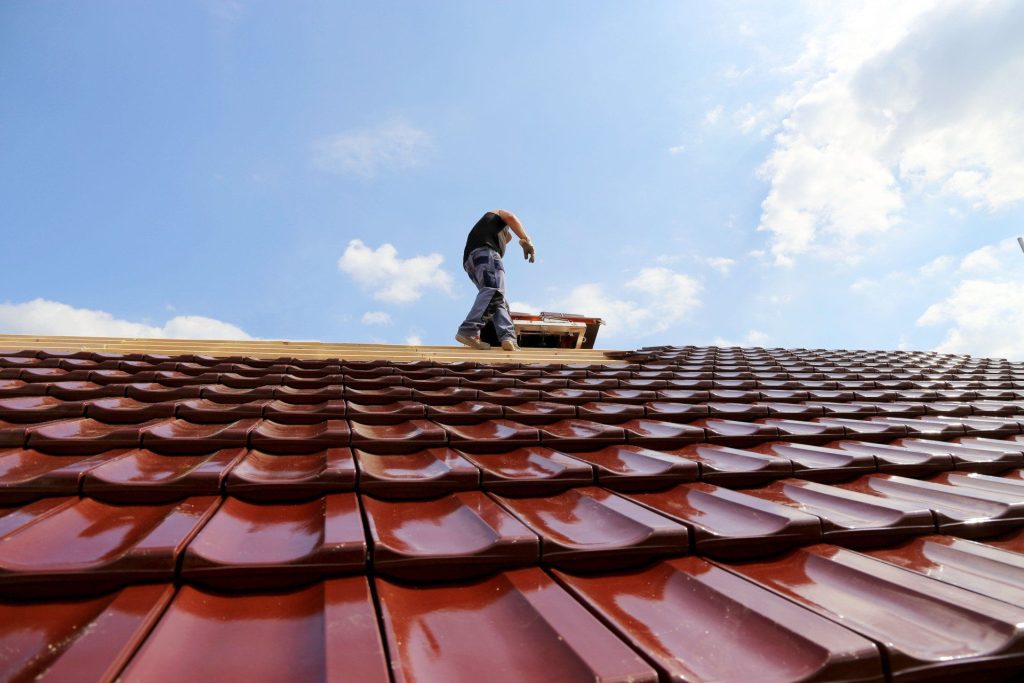
Clay and concrete tile handle Alabama’s heat and humidity exceptionally well — they’re inorganic, so humidity doesn’t affect them the way it does asphalt, and their thermal mass helps regulate temperature fluctuations.
The consideration in Alabama is structural. Tile is significantly heavier than asphalt or metal, and most homes need to be structurally verified before installation. This is a real requirement — not a sales add-on.
Concrete tile is the more impact-resistant option of the two. Clay tile is beautiful and long-lasting but can crack under large hail impacts — a relevant consideration in North Alabama’s storm environment.
Bottom line: Strong performer for the right home. Structural assessment required before installation. Concrete tile is preferable over clay for hail-prone North Alabama.
Roofing Materials That Don’t Hold Up in Alabama
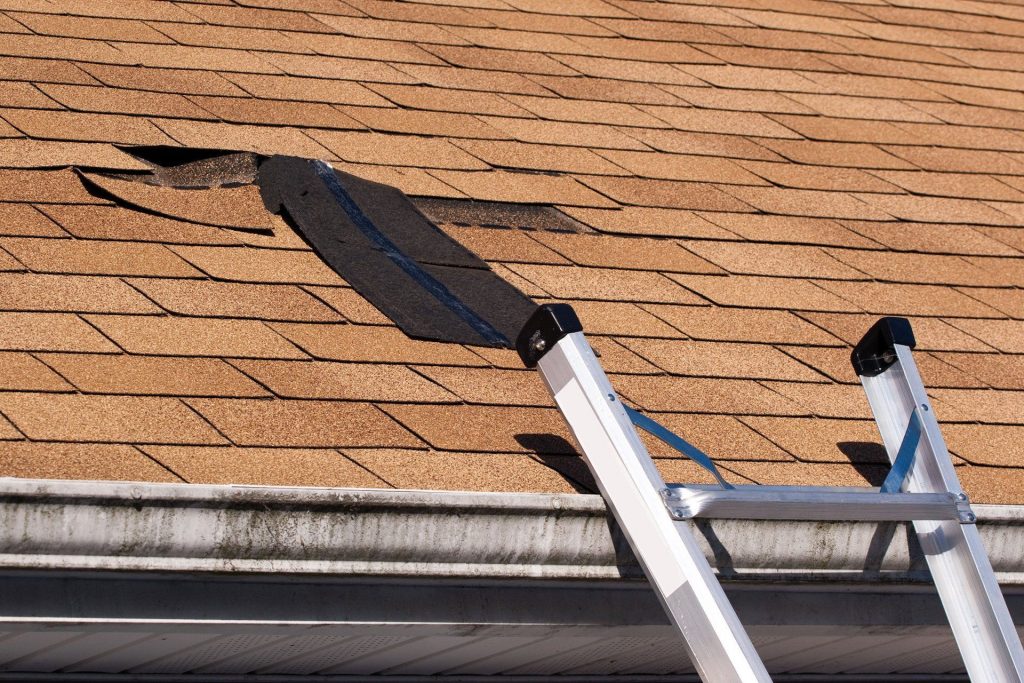
- 3-tab asphalt shingles. The thinner, flat shingles that were standard on most homes before the 1990s. They underperform significantly in Alabama’s wind zone and have a much shorter realistic lifespan than architectural shingles in this climate. Not a recommendation for any Alabama replacement project.
- Wood shake. Natural character and curb appeal, but wood shake requires significant maintenance in Alabama’s humidity — cleaning, treatment, and regular inspection to prevent the rot, algae growth, and moisture intrusion that the climate accelerates. Most Alabama homeowners who’ve had wood shake have replaced it with something more appropriate for the conditions.
The Factor That Affects Every Material on This List
Here’s something most roofing material comparisons skip: no matter what material you put on your roof, attic ventilation determines how long it actually performs.
In Alabama’s summer heat, inadequate attic ventilation allows heat to build to 150°F+ — which accelerates the breakdown of any roofing material from below. It also creates conditions for the moisture buildup that drives algae growth, mold, and premature shingle deterioration.
Proper ridge and soffit ventilation allows hot attic air to exhaust at the top and draw cooler air in at the eaves — regulating temperature and moisture across the entire roof system. When SOCO inspects a roof, ventilation assessment is part of the process, not an afterthought.
This Matters As Much As the Material
The right material installed incorrectly performs like the wrong material. In Alabama’s climate — where algae-resistant specifications, proper fastening patterns, and ventilation design all directly affect how long a roof performs — the installation details matter as much as the product choice.
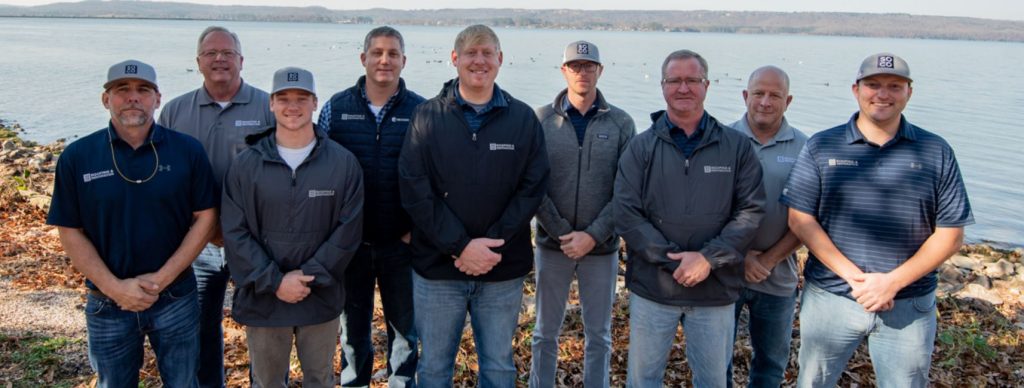
SOCO Roofing & Restoration’s owner spent years with Owens Corning training contractors across the country. That manufacturer-level knowledge of how roofing systems actually perform, is what we bring to every project in Huntsville and North Alabama.
When you’re ready to talk through which material makes the most sense for your specific home, we offer free, no-pressure inspections across Huntsville, Etowah, Madison, Marshall, and Shelby counties.
Schedule your free roof inspection with SOCO Roofing & Restoration →
And for everything a first-time roof replacement buyer needs to know — from warning signs to the insurance process to how to find a contractor worth trusting — our complete guide covers it all.
Read: Never Dealt With a Roofing Problem Before? Start Here →