Nobody teaches you this stuff when you buy your first home. You get the keys, you move in, and somewhere down the road a water stain shows up on your ceiling or a storm rolls through and you find shingles in your yard. Now you’re Googling, and you’re not sure what any of it means.
This guide is for you. No jargon. No assumptions that you already know what a soffit is. Just a clear, honest explanation of everything a first-time homeowner in Huntsville needs to know about their roof before, during, and after a problem shows up. That way when a problem eventually rises, you know what to do and how to approach hiring a professional.
Looking for Something in Particular?
- Here’s How Roofing Works
- 9 Warning Signs Something Is Wrong With Your Roof
- Roof Repair vs. Roof Replacement: Which Do You Need?
- How Long Does a Roof Last in Alabama?
- The Best Roofing Materials for North Alabama
- What to Do If a Storm Hits Your Roof
- How Home Insurance Works With Roofing Jobs
- How to Find a Roofing Contractor You Can Actually Trust
- What to Expect When You Call SOCO
- Find Out What’s Going On On Your Roof
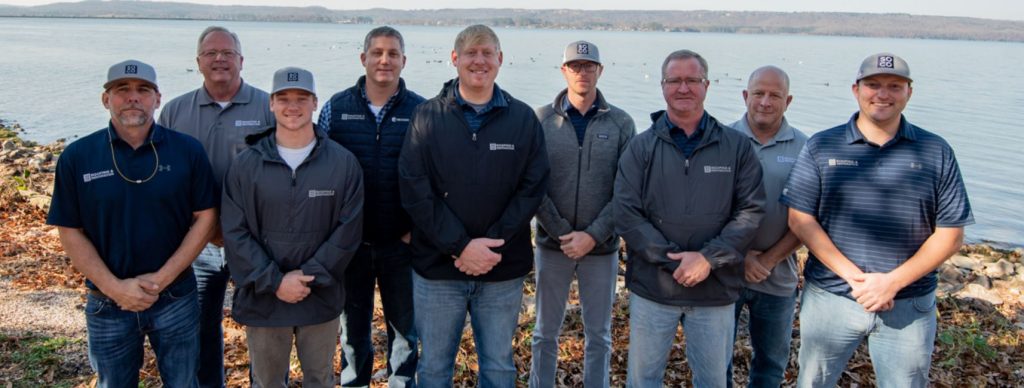
SOCO Roofing & Restoration isn’t your average roofing company. Our owner spent years working for one of the largest roofing manufacturers in the country (Owens Corning) training contractors across the nation. That means when we inspect your roof, we’re not guessing. We know exactly what failure looks like, where to find it, and what it takes to fix it right. We bring that manufacturer-level knowledge to every Huntsville home we work on.
Here’s How Roofing Works
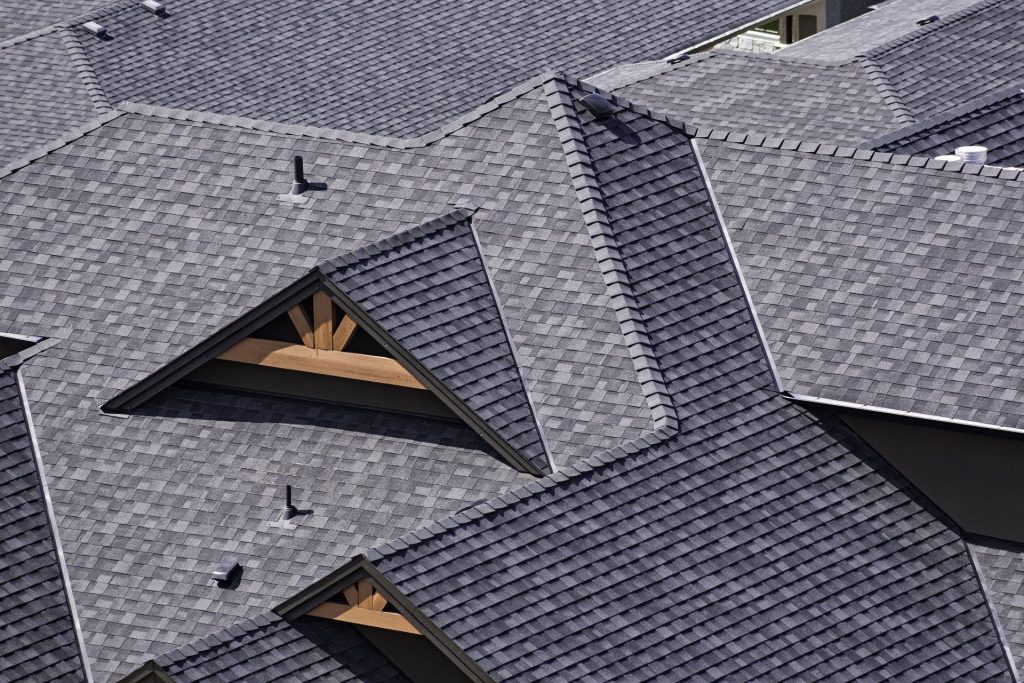
Most people think of their roof as just shingles. It’s actually several layers working together, and understanding what each one does helps you understand why roof problems can be sneaky. You don’t need to be a roofer to understand it. This’ll help you understand your future conversations with roofers.
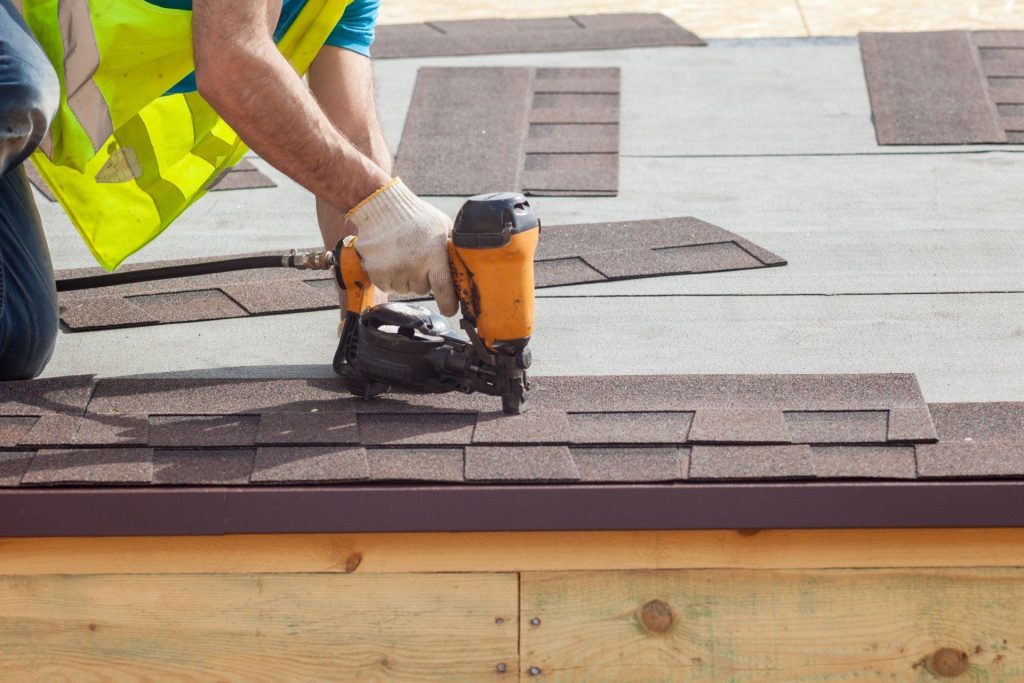
Shingles are the outermost layer — they’re what you see from the street. Their job is to shed water and protect everything underneath from UV and weather exposure.
Underlayment sits directly beneath the shingles. Think of it as a backup waterproof barrier. If a shingle gets damaged or lifted, the underlayment is the second line of defense.
Decking is the wooden base that everything sits on. It’s the foundation of your roof. If water gets this far, you’re dealing with rot — and that’s when repairs get expensive fast.
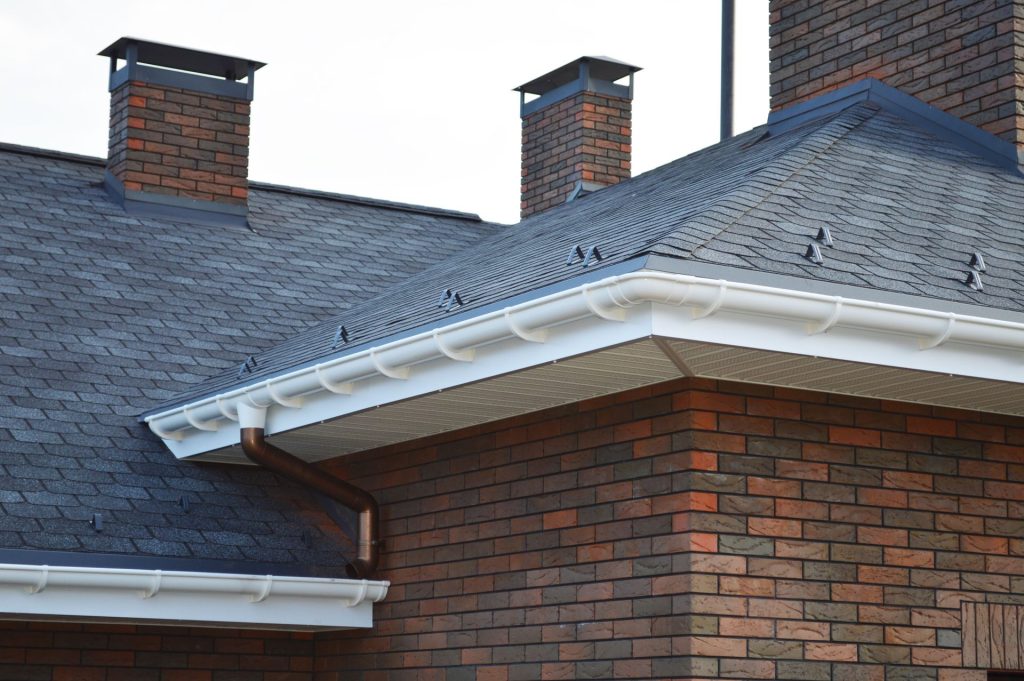
Flashing is the metal material around your chimney, vents, and roof edges. These are the most vulnerable spots on any roof, and flashing is what keeps water from sneaking in at those joints.
Ventilation regulates heat and moisture in your attic. This affects how long your shingles last — a poorly ventilated attic can dramatically shorten your roof’s lifespan.
Here’s the important thing: when you see a water stain on your ceiling, the leak almost never started right there. Water travels. It gets in somewhere on the roof, moves along the decking, and drips in a completely different spot. By the time you see it, it’s been happening for a while.
9 Warning Signs Something Is Wrong With Your Roof
You don’t need to get on the roof yourself. Here’s what to watch for from the ground and inside your home.
Outside:
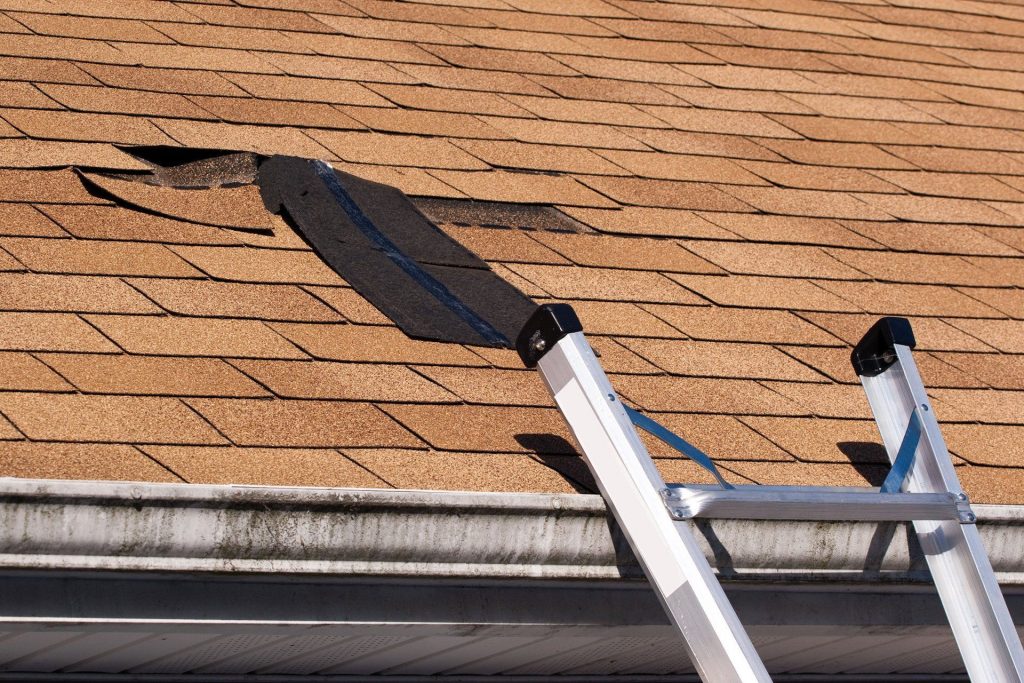
- Missing shingles — especially common after wind storms in North Alabama
- Shingles that are curling at the edges or cracking across the surface
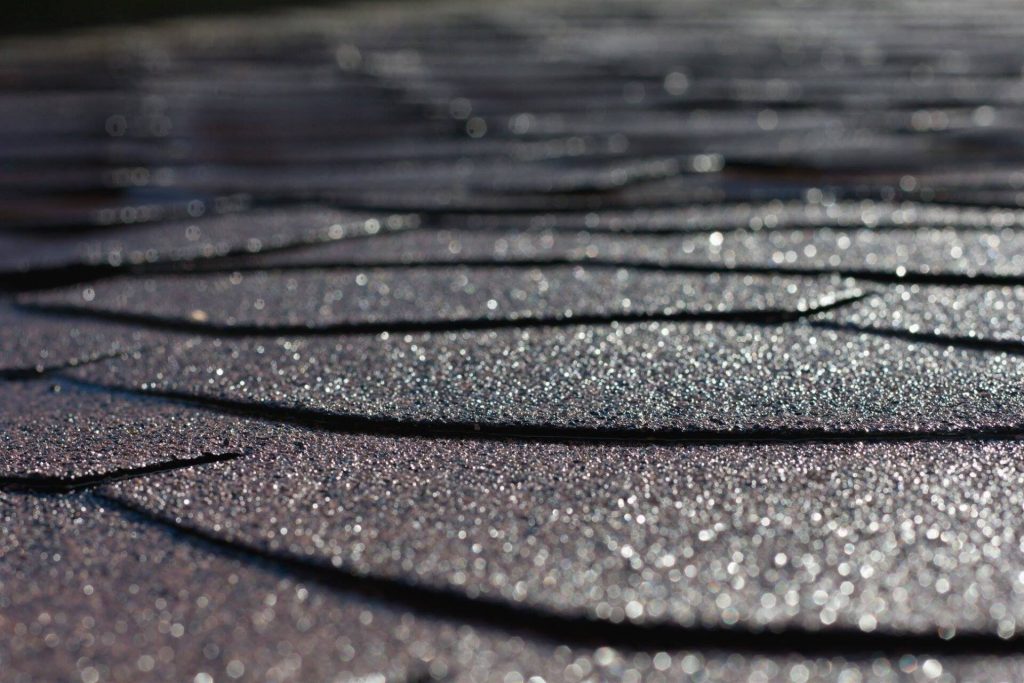
- Granules collecting in your gutters — looks like coarse, dark sand, and it means your shingles are wearing out
- Sagging anywhere along the roofline — this is serious and needs attention immediately
- Dents on your gutters or AC unit after a storm — a sign hail was large enough to damage shingles too
Inside:
- Water stains or discoloration on your ceilings or walls
- A musty smell in your attic
- Daylight visible through the attic boards when you go up with the lights off
- Energy bills that have gotten higher without explanation — a failing roof often means poor insulation
If you’re checking two or more of these boxes, it’s worth getting a professional set of eyes on it sooner rather than later.
Roof Repair vs. Roof Replacement: Which Do You Need?
This is the question most first-time homeowners stress about most. Here’s the simple version:
Repair is probably enough if:
- The damage is in one specific spot
- Your roof is less than 15 years old
- The underlying wood structure is still solid
- The problem started after one specific storm or event
Replacement is likely the better call if:
- Damage is spread across multiple areas of the roof
- Your roof is 20+ years old
- You’ve been patching the same spots repeatedly
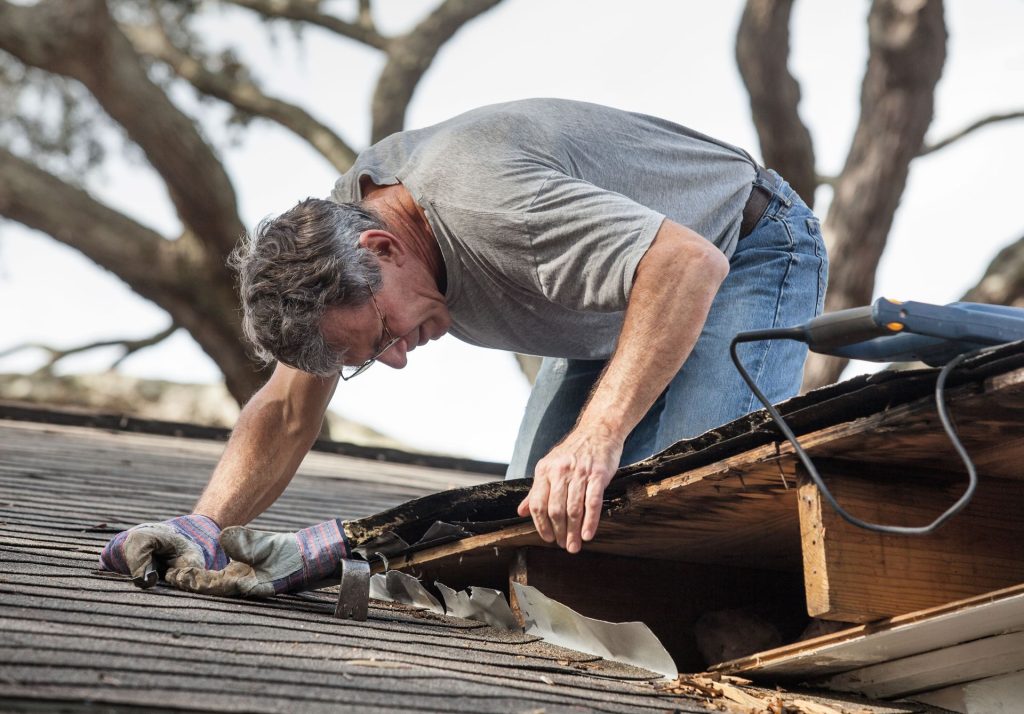
- Water has reached the decking underneath
The goal isn’t always the cheapest fix today — it’s the fix that doesn’t cost you twice as much two years from now. A patch on a roof that’s genuinely failing is just a delay.
If you’re not sure which category you’re in, that’s what a professional inspection is for. A good contractor will tell you honestly which one applies — and if a repair is all you need, they should say so.
How Long Does a Roof Last in Alabama?
This depends on the material, but Alabama’s climate — hot summers, high humidity, and a storm season that delivers wind, hail, and heavy rain — shortens the realistic lifespan compared to milder regions.
| Material | Typical Lifespan in North Alabama |
| 3-Tab Asphalt Shingles | 15–20 years |
| Architectural Asphalt Shingles | 20–25 years |
| Metal Roofing | 40–70 years |
| Wood Shake | 15–20 years (with maintenance) |
If your home came with a roof that was already several years old when you bought it, that timeline matters. A 15-year-old asphalt roof in Huntsville may be closer to the end of its life than the beginning — even if it looks okay from the street.
The Best Roofing Materials for North Alabama
Architectural Asphalt Shingles
The most common choice for good reason — durable, affordable, and available in impact-resistant versions rated for hail. For most Huntsville homeowners, architectural shingles are the practical starting point. Look for Class 4 impact-resistant versions if hail is a concern in your area.
Metal Roofing
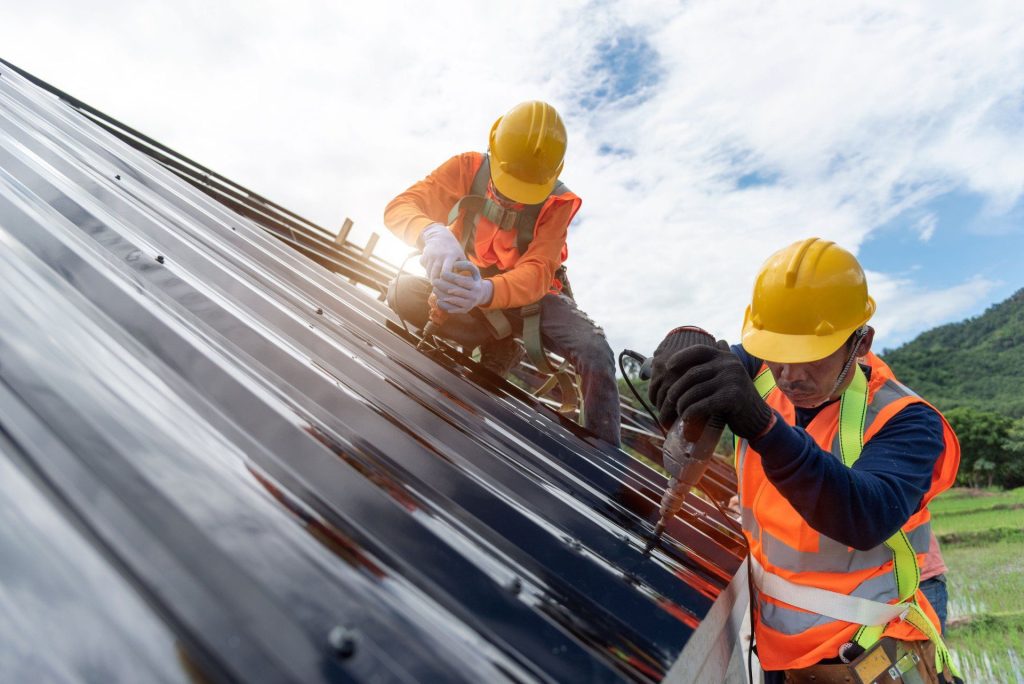
Increasingly popular for homeowners who want to stop thinking about their roof for 40–50 years. Metal handles Alabama’s heat, UV exposure, and storm activity better than asphalt and lasts two to three times as long. The upfront cost is higher, but the lifetime math almost always favors metal for homeowners planning to stay long-term.
3-Tab Asphalt Shingles
The older, thinner version of asphalt shingles. Still installed but generally not recommended for new replacements — architectural shingles offer significantly better performance for a modest price difference.
What to Do If a Storm Hits Your Roof
Huntsville and North Alabama get serious storms. Tornadoes, hail, straight-line winds — the kind of weather that can do real damage in minutes. Here’s what to do if your home gets hit:
1. Don’t get on the roof. It’s dangerous right after a storm, and you can cause additional damage without realizing it.
2. Walk around the outside and document everything. Photos and video, taken as soon as it’s safe. Missing shingles, dented gutters, debris on the roof — get it all on camera.
3. Check inside. New water stains, attic moisture, anything that changed after the storm.
4. Call a roofing contractor before you call insurance. This surprises most first-time homeowners. Getting a professional inspection and written damage report before the insurance adjuster arrives gives you documentation that supports your claim — rather than relying solely on what the adjuster finds.
5. File your claim promptly. Insurance policies have filing windows. Waiting too long can give your insurer grounds to question whether damage is storm-related.
For a detailed breakdown of what to do after a roof leak specifically, read our guide here.
How Home Insurance Works With Roofing Jobs
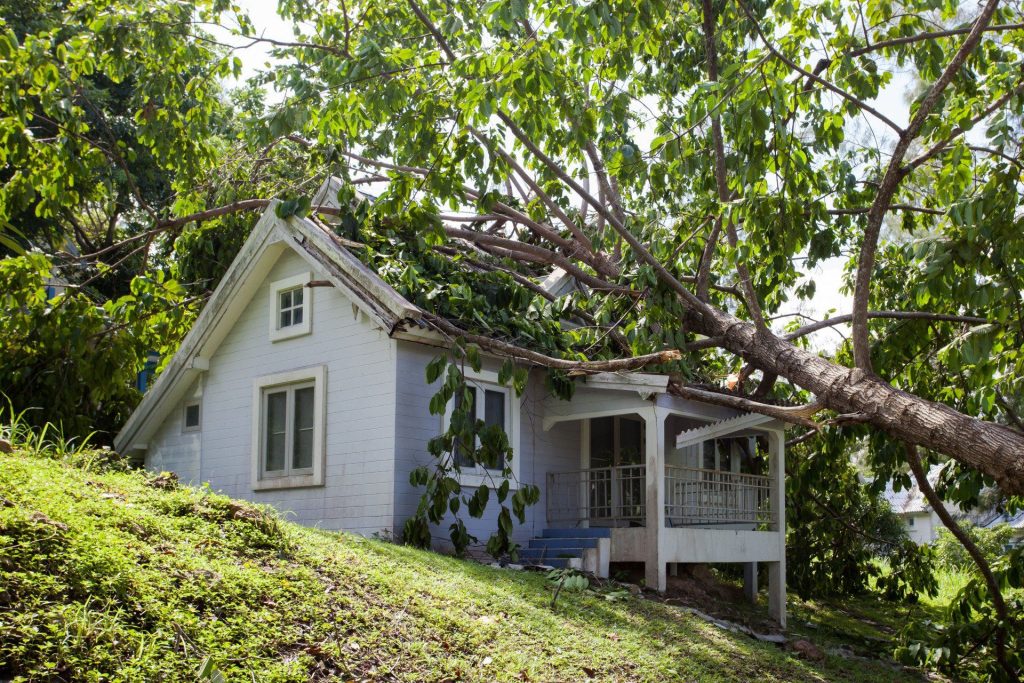
Your homeowners insurance covers sudden, accidental damage — storms, hail, falling trees. It doesn’t cover normal wear and tear or damage from neglect.
Here’s how a claim typically works:
- You file a claim and insurance assigns an adjuster
- The adjuster inspects and estimates the damage
- If approved, insurance pays out minus your deductible
- You hire a contractor and the work gets done
A few things worth knowing going in:
Your deductible is what you pay out of pocket before insurance kicks in. Alabama policies sometimes carry a separate, higher deductible specifically for wind and hail — check yours before filing.
Having a roofing contractor present when the adjuster visits makes a real difference. A contractor who knows what to look for can point out damage the adjuster might miss, making sure your settlement reflects the full scope of what needs to be repaired.
And one hard rule: never let a contractor offer to waive your deductible. That’s insurance fraud in Alabama, and the legal consequences fall on you as the homeowner, not the contractor.
How to Find a Roofing Contractor You Can Actually Trust
After a storm hits Huntsville, out-of-area contractors flood the market. Door-to-door pitches, pressure to sign fast, deals that sound too good. Here’s how to tell the legitimate ones from the ones you’ll regret hiring:
They’re local and established. A company with real roots in Huntsville has a community reputation to protect. Look for an established presence — not a new website and a out-of-state phone number.
They’re licensed and insured. Ask for proof of general liability insurance and workers’ compensation before anyone touches your roof. A legitimate contractor hands this over without hesitation.
They put everything in writing. Scope of work, materials, timeline, payment schedule — in a signed contract before work begins. Verbal agreements are not contracts.
They don’t pressure you. A trustworthy contractor gives you time to review the estimate and ask questions. High-pressure same-day tactics after a storm are a red flag every time.
They have real local reviews. Check Google. Look for Huntsville-area homeowners who’ve been through similar projects.
What to Expect When You Call SOCO
We keep it simple. Here’s how it works:
Free inspection.
We get on your roof and tell you exactly what we find every damaged area documented with photos. No charge, no obligation.
Honest recommendation.
If you need a repair, we’ll tell you that. If you need a replacement, we’ll show you why. Our owner’s background at Owens Corning means we know the difference — and we’re not going to sell you a replacement you don’t need just to generate a bigger job.
Insurance support.
If you’re filing a claim, we work directly with your adjuster and make sure your settlement reflects the actual scope of damage.
Quality installation.
Whatever the project, we install it right. Huntsville is our home — we’re not going anywhere, and neither is our reputation.
Find Out What’s Going On On Your Roof
You now know more about your roof than most first-time homeowners. You know what to look for, what the warning signs mean, when to repair and when to replace, and how to find someone worth trusting.
The next step is simple: if something doesn’t look right, get a professional set of eyes on it. The earlier a problem gets caught, the more options you have — and the less it costs.
SOCO Roofing & Restoration serves Huntsville and all of North Alabama — Etowah, Madison, Marshall, and Shelby Counties. Free inspections, honest assessments, no pressure.
Schedule your free roof inspection with SOCO Roofing & Restoration →