You made it through the Alabama storm. The rain stopped, you walked through the house, and then you spotted it, a water stain on the ceiling, a drip from somewhere it shouldn’t be, and a damp patch on a wall near the roofline.
If your roof only leaks during or after heavy rain, there’s a reason for that. It’s not bad luck. Something specific is failing, and heavy rainfall is just the condition that exposes it. After repairing and replacing roofs for nearly 10 years, we’ve seen this happen for hundreds of homeowners, and the protocol is the same every time. Here’s what’s actually going on — and what you can do about it.
Table of Contents:
- Why Heavy Rain Causes Leaks That Lighter Rain Doesn’t
- The 6 Most Common Causes of Leaks
- What You Can Check Yourself
- Do I Need to Do Something About It Immediately?
- What SOCO Does About It
- Don’t Wait On This One
Why Heavy Rain Causes Leaks That Lighter Rain Doesn’t
Your roof is designed to shed water, not stop it from coming in entirely. When rain falls at a normal pace, that system works — water runs down the shingles and off into your gutters without issue.
Heavy rain changes the equation. High volume, wind-driven rain, and water coming from unexpected angles all put more pressure on your roofing system than it was designed to handle in its current condition. Small vulnerabilities that stay dry during a light shower get overwhelmed during a downpour.
Think of it like a dam with a small crack. Normal water flow holds fine. A flood exposes the crack.
The 6 Most Common Causes of Leaks
- Damaged or Missing Shingles
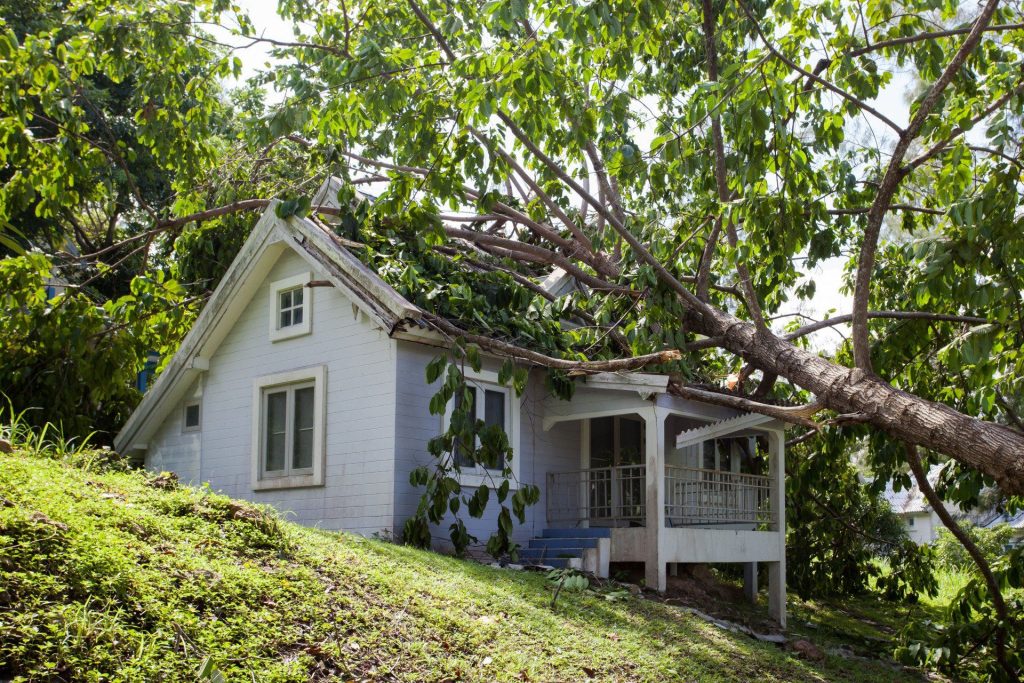
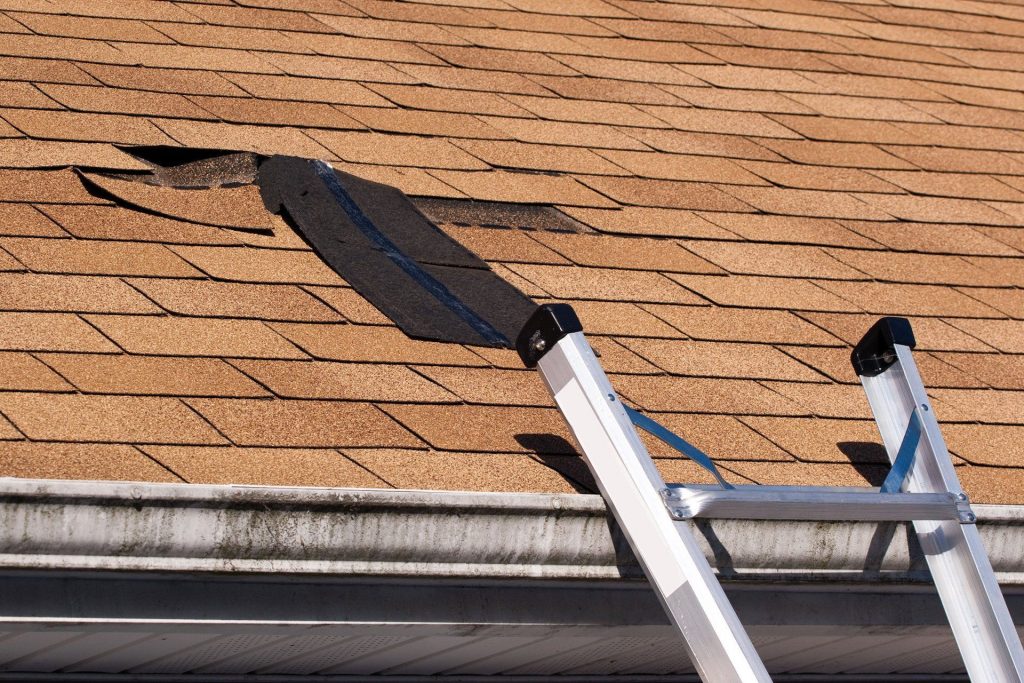
Shingles that are cracked, curled, or missing leave the underlayment beneath them exposed. During heavy rain, water gets in through those gaps faster than it can run off. This is one of the most common causes of leaks in North Alabama, especially after wind events.
- Failed Flashing
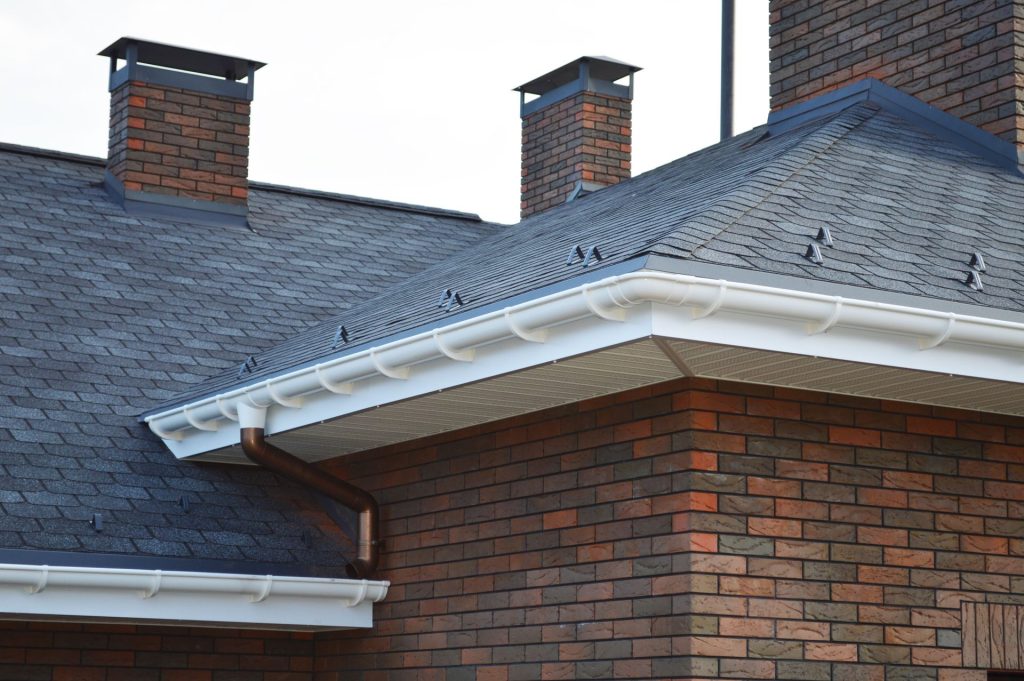
Flashing is the metal material that seals the joints around your chimney, vents, skylights, and roof edges. When it cracks, pulls away, or the sealant around it dries out, those joints become direct entry points for water — and they’re usually the last place homeowners think to look.
- Clogged or Overflowing Gutters
When gutters back up with debris, water has nowhere to go. It pools at the roof edge, backs up under the shingles, and works its way into the house. If your leak is near an exterior wall or the edge of your ceiling, this is worth checking first.
- Worn or Damaged Underlayment
Beneath your shingles is a waterproof barrier called underlayment. On an aging roof, that barrier deteriorates. Heavy rain can push through shingles in ways lighter rain can’t — and when the underlayment underneath is no longer doing its job, water gets in.
- Roof Valleys
The valleys where two roof slopes meet handle more water runoff than any other part of the roof. If the flashing or shingles in a valley are compromised, heavy rain will find it every single time.
- Poor Attic Ventilation
This one surprises people. Without proper airflow in your attic, heat and moisture build up and have nowhere to go. That moisture can condense on your attic ceiling and look exactly like a roof leak from below — even when the roof itself is intact.
What You Can Check Yourself
Before you call anyone, a few things are safe to check from inside your home:
- Go into the attic during or right after rain. Bring a flashlight and look for where water is actually entering — staining on the rafters or decking, active drips, or wet insulation. This often reveals the entry point that the ceiling stain below doesn’t.
- Look at your gutters from the ground. Are they overflowing? Sagging? Full of debris? That alone can cause leaks along your roofline.
- Check the ceilings in multiple rooms. Water travels before it drips. The stain you see isn’t always directly below where it’s getting in.
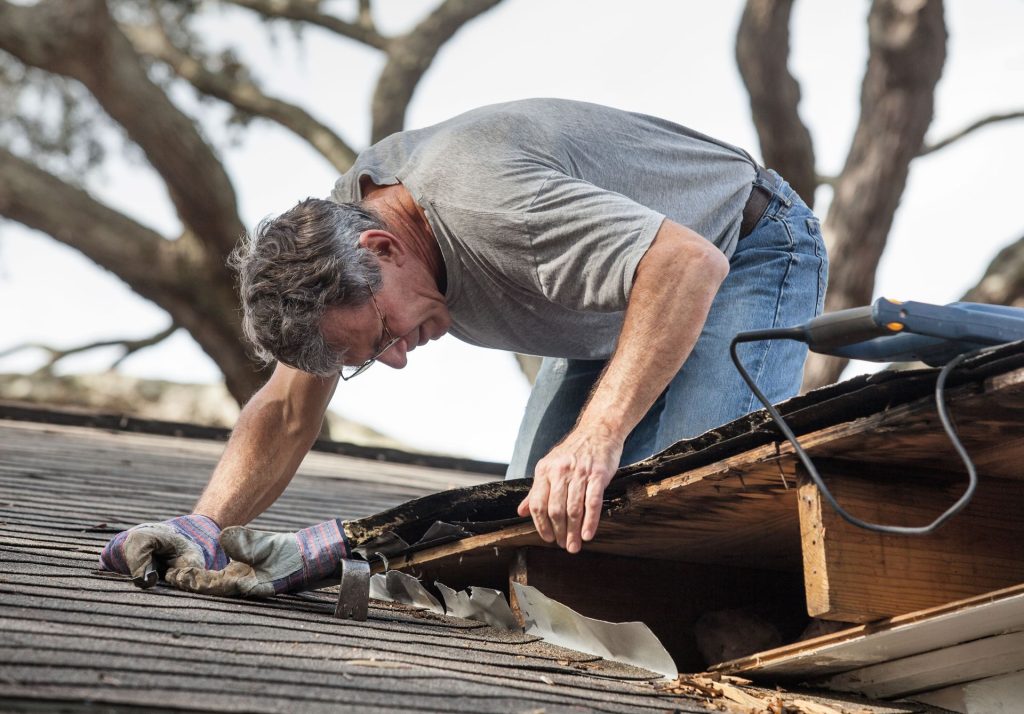
What you should not do: get on your roof during or right after a storm. Wet roofing surfaces are slippery and dangerous, and without training it’s easy to cause additional damage.
Do I Need to Do Something About The Leaks Immediately?
It depends on what you’re seeing.
If water is actively dripping into your living space: Yes, act now.
Put down towels or buckets, move anything valuable away from the affected area, and call a roofer as soon as possible. Active interior water intrusion can damage drywall, saturate insulation, and create mold conditions within 24 to 48 hours.
If you’re seeing a stain but no active drip: You have a little more time, but not as much as most people assume.
That stain means water already made it through. The next heavy rain will hit the same spot again. Getting an inspection scheduled within the next week or two is the right move.
If you’re not sure whether what you saw was a leak: Go back and look when it’s dry.
Fresh water stains are darker. Old stains are lighter and have a defined ring around the edge. If you see anything that looks new, treat it as real until a professional tells you otherwise.
The honest answer is that no roof leak gets better on its own. But “immediately” looks different depending on how active the problem is. When in doubt, a free inspection costs you nothing and gives you a clear answer.
What SOCO Does About Roof Leaks
SOCO Roofing & Restoration’s owner previously worked for Owens Corning, one of the nation’s largest roofing manufacturers, training contractors across the country — which means when we look at your roof, we’re not guessing. We know exactly what failure looks like and where to find it.
When you call SOCO after a leak, here’s what happens:
A trained inspector gets on your roof, checks every likely entry point — shingles, flashing, valleys, underlayment, and ventilation — and gives you a clear answer about what’s failing and why. If it’s a repair, they’ll tell you exactly what needs to happen. If the roof has reached the point where repairs are no longer the right call, we’ll explain why and walk you through your options.
We also handle the insurance side. If storm damage is the cause, SOCO works directly with your adjuster to make sure the full scope of damage is documented and covered.
Don’t Wait On This One
A roof leak during heavy rain isn’t going to fix itself between storms. Every time it rains hard, the same entry point gets hit again — and the damage on the inside compounds. Wet insulation, stained drywall, and mold don’t show up from one rainstorm. They show up from several that went unaddressed.
The earlier you get eyes on it, the more options you have.
SOCO Roofing & Restoration serves Huntsville and all of North Alabama — Etowah, Madison, Marshall, and Shelby Counties. Free inspections, honest assessments, no pressure.
Schedule your free roof inspection with SOCO Roofing & Restoration →